/filters:format(jpeg,png)/fit-in/300x300/guide_websites/59233/images/1767730984763californiacoastalcharterslogo.png)
/filters:format(jpeg,png)/fit-in/237x80/guide_websites/59233/images/1767730984763californiacoastalcharterslogo.png)
/users/9bf5d362-8f74-453e-be38-6d659610fc44/ratecard/image-2026-03-06t030349.980-mmduc177.png)
%2F300x300%2Fusers%2F9bf5d362-8f74-453e-be38-6d659610fc44%2Fratecard%2Fimage-2026-03-06t030349.980-mmduc177.png&w=256&q=75)
%2F300x300%2Fusers%2F9bf5d362-8f74-453e-be38-6d659610fc44%2Fimages%2Fgreat-ca-cruises-tours-3097.jpg&w=256&q=75)
%2F300x300%2Fusers%2F9bf5d362-8f74-453e-be38-6d659610fc44%2Fimages%2Fcalifornia-coastal-cruises-tours-3066.jpg&w=256&q=75)
%2F300x300%2Fusers%2F9bf5d362-8f74-453e-be38-6d659610fc44%2Fimages%2Fcoastal-cruises-tours-dana-point-3160.jpg&w=256&q=75)
%2F300x300%2Fusers%2F9bf5d362-8f74-453e-be38-6d659610fc44%2Fimages%2Fcoastal-cruises-tours-california-3097.jpg&w=256&q=75)
%2F300x300%2Fusers%2F9bf5d362-8f74-453e-be38-6d659610fc44%2Fimages%2Fbest-great-cruises-tours-ca-3133.jpg&w=256&q=75)
%2F300x300%2Fusers%2F9bf5d362-8f74-453e-be38-6d659610fc44%2Fimages%2Fdana-point-fishing-cruises-tours-3175.jpg&w=256&q=75)
%2F300x300%2Fusers%2F9bf5d362-8f74-453e-be38-6d659610fc44%2Fimages%2Fcruises-tours-california-3269.jpg&w=256&q=75)
%2F300x300%2Fusers%2F9bf5d362-8f74-453e-be38-6d659610fc44%2Fimages%2Fcalifornia-coastal-cruises-tours-3071.jpg&w=256&q=75)
%2F300x300%2Fusers%2F9bf5d362-8f74-453e-be38-6d659610fc44%2Fimages%2Fcruises-tours-california-3322.jpg&w=256&q=75)
%2F300x300%2Fusers%2F9bf5d362-8f74-453e-be38-6d659610fc44%2Fimages%2Fdana-point-boat-tour-3168.jpg&w=256&q=75)
SoCal 3 Hour Sportfishing Yacht Charter Inshore
 Dana Point
What you will be catching:
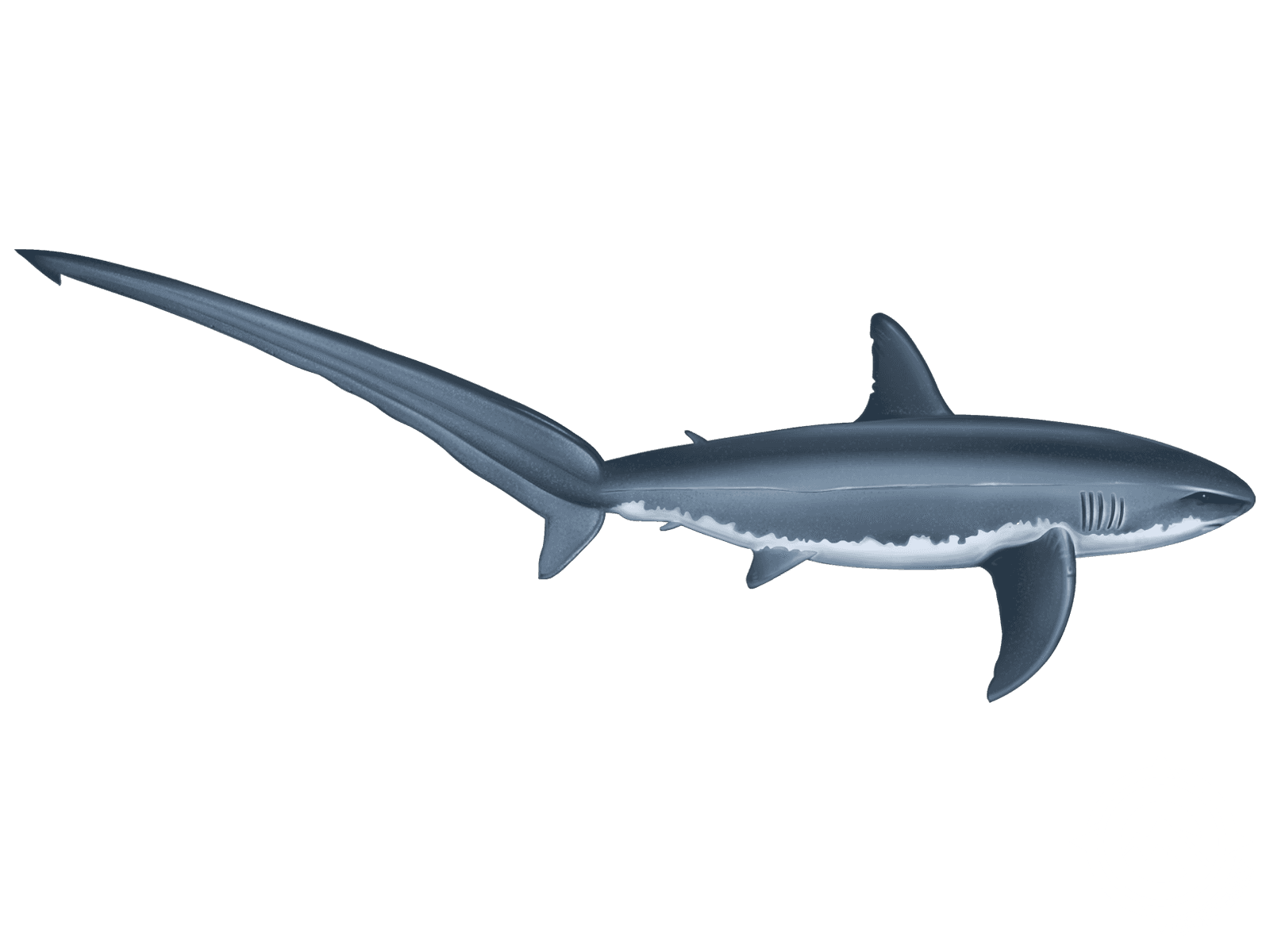
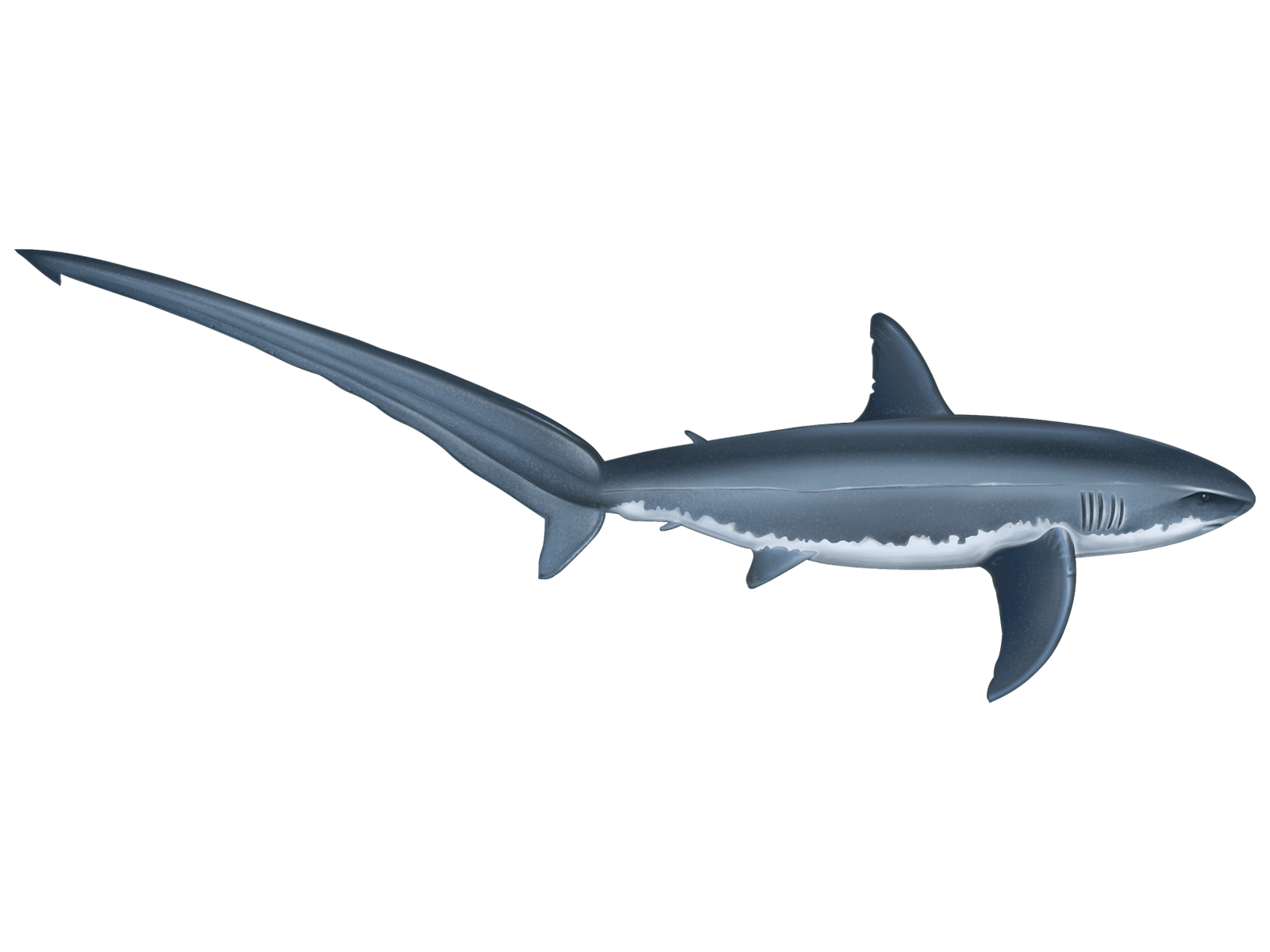 Thresher Shark
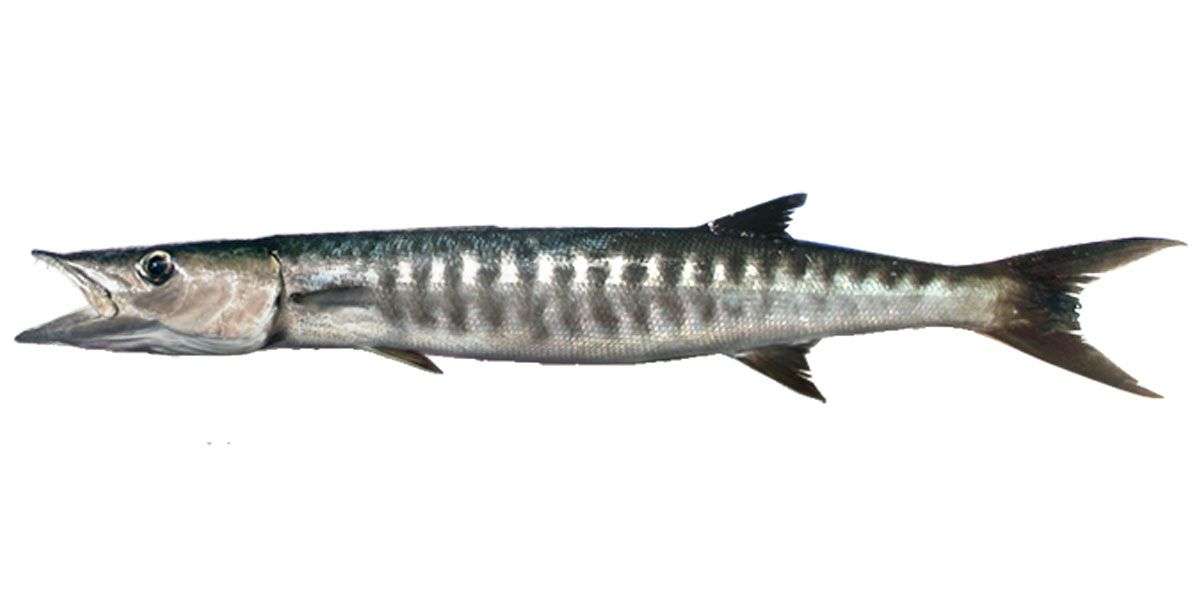
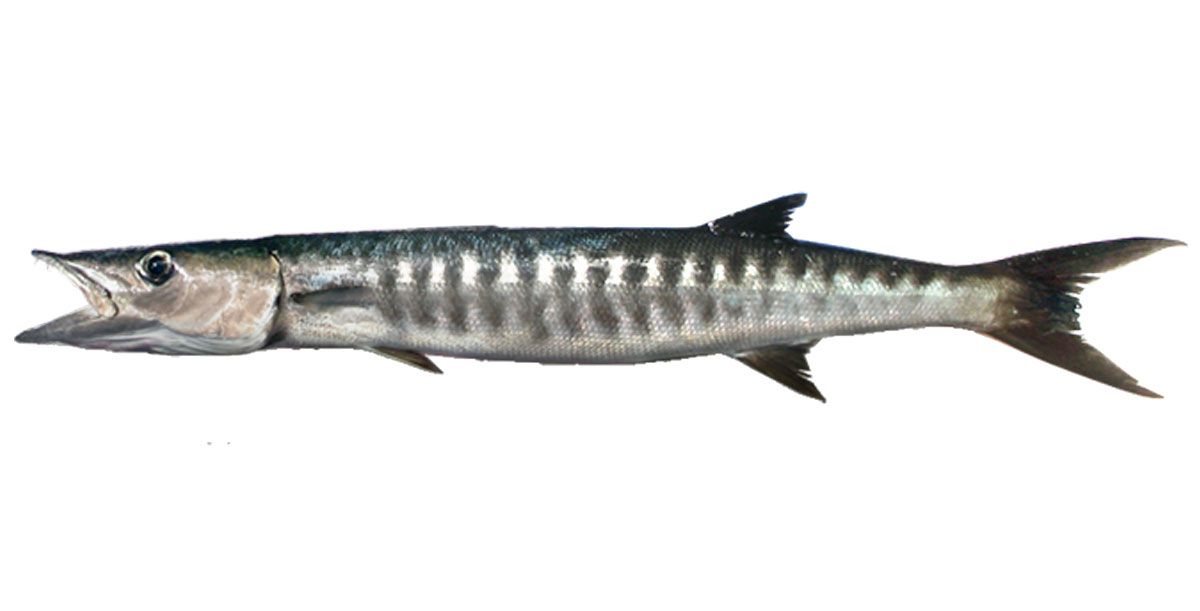 Pacific Barracuda
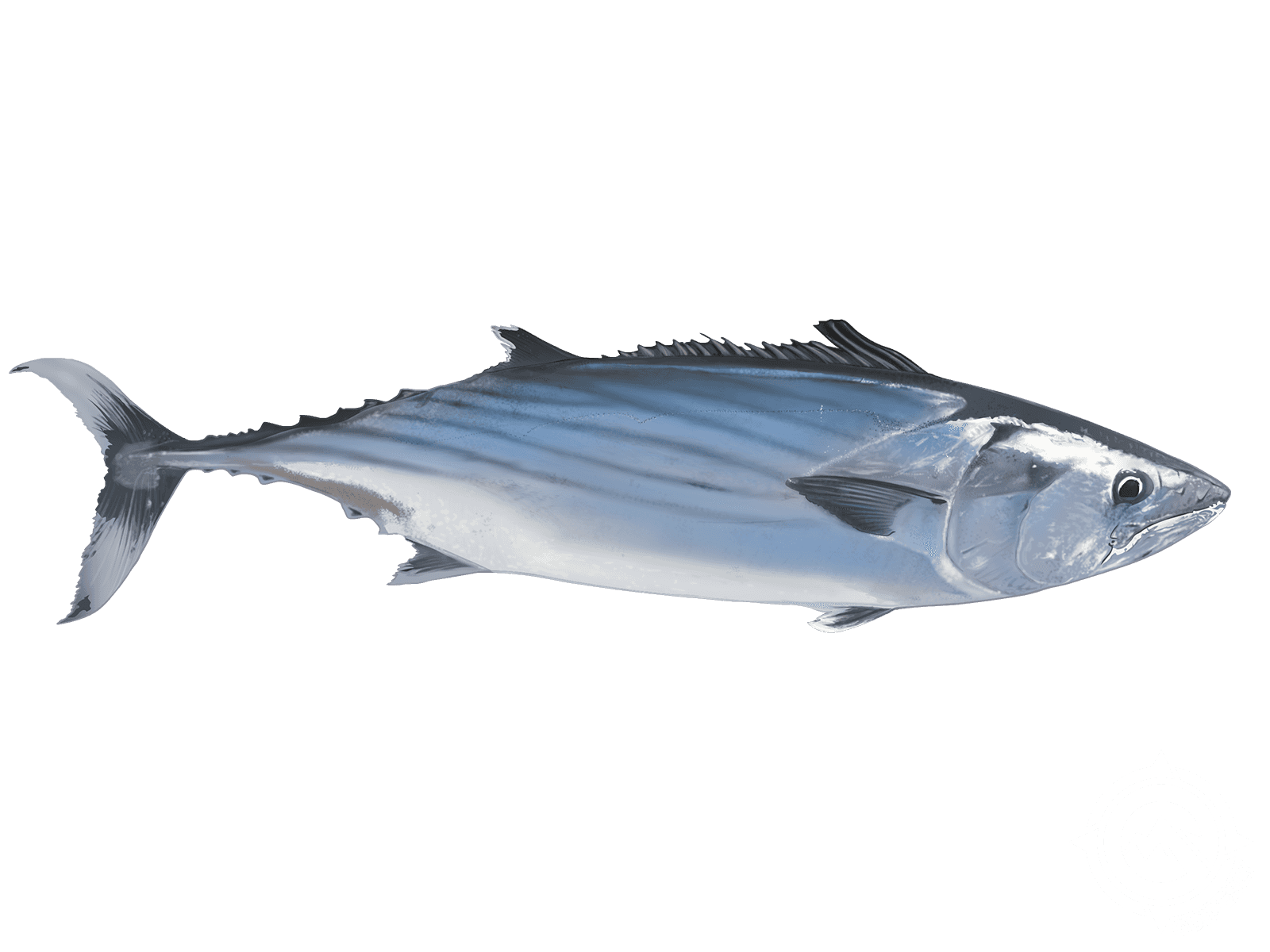
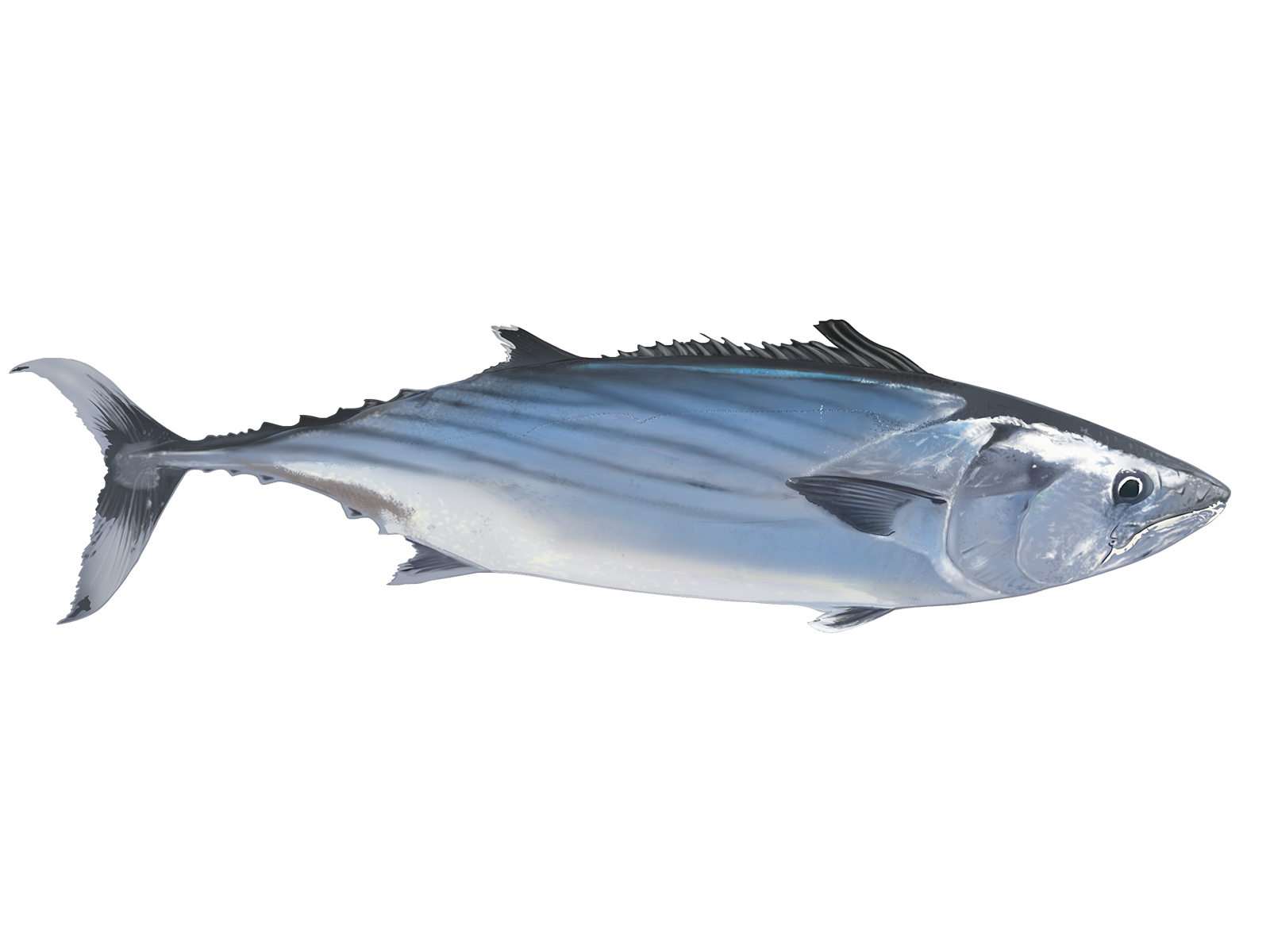 Pacific Bonito
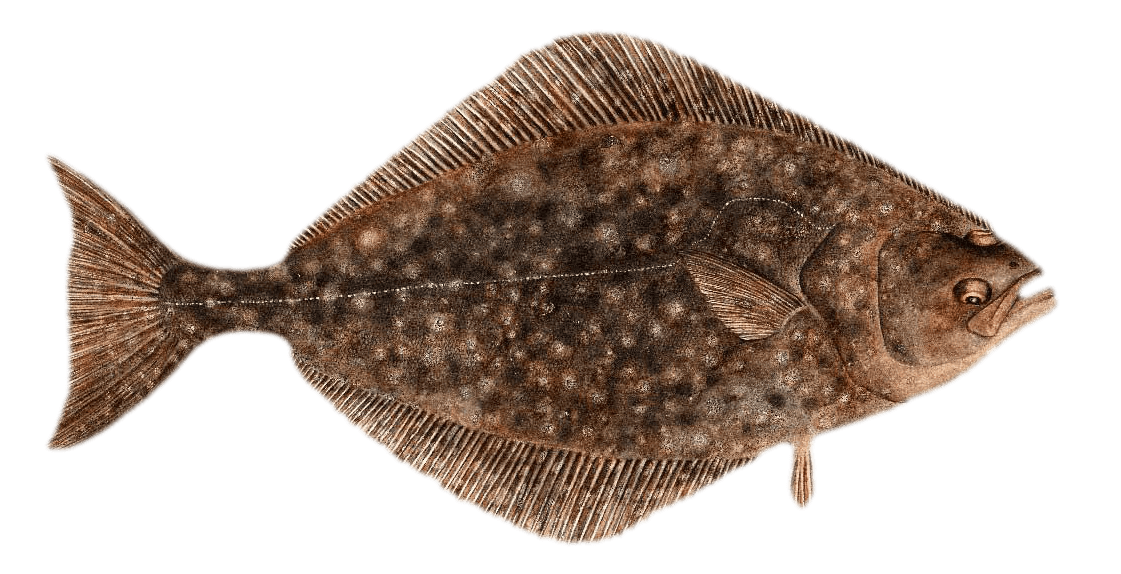
 Pacific Halibut
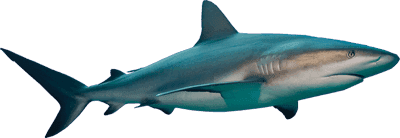
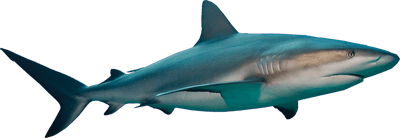 Shortfin Mako Shark
- 3-hour private yacht charter for up to 6 guests in prime SoCal waters
- Target premium gamefish including bluefin tuna, mahi mahi, and white seabass
- All equipment, live bait, tackle, and fish cleaning services included
Trip Pricing and Availabilities:
Southern California Private Yacht Charter
Picture this: you're on a luxury yacht cutting through crystal-clear Pacific waters, the Southern California coastline stretching out behind you as you drop lines for some of the region's most sought-after gamefish. This isn't your typical crowded party boat experience—it's a top-rated 3-hour private charter that puts you and up to five friends in the captain's seat of your own fishing adventure. Whether you're an experienced angler or just getting your feet wet, California Coastal Charters delivers the kind of personalized service that keeps customers coming back season after season.
What to Expect on the Water
Your day starts with five departure times to choose from—6 AM for the early birds who want to hit the water when fish are most active, 9 AM for a perfect morning start, noon for midday action, 3 PM for afternoon fishing, or 6 PM for those magical evening bites. Running from April through October, you'll fish during prime Southern California sportfishing season when the water temps are just right and the fish are hungry. The yacht comes fully loaded with everything you need: premium rods and reels, fresh tackle, live bait that'll get those predators fired up, and a selection of proven lures. After you land your catch, the crew handles all the cleaning and filleting—no messy work for you. They'll even keep you fueled with snacks and drinks throughout the trip. Just remember to grab your California fishing license if you're 14 or older, plus sunscreen, a hat, and comfortable clothes that can get a little salty.
Techniques & Gear Setup
This is where the magic happens on these Southern California waters. The crew knows these fishing grounds like the back of their hand and they'll switch up techniques based on what's biting and where the fish are holding. You'll be trolling with live bait when the tuna and mahi are running, dropping jigs for bottom dwellers like halibut and rockfish, and casting topwater lures when the barracuda and bonito are crashing bait on the surface. The yacht's fish finder and GPS help locate the hotspots, but it's the captain's local knowledge that really makes the difference. They know which reefs hold the biggest calico bass, where the sharks cruise during different tides, and exactly how to present your bait to trigger strikes from wary fish. The tackle is matched to each species—heavy enough to handle a mako shark but sensitive enough to feel a halibut mouthing your bait on the bottom.
Top Catches This Season
Shortfin Mako Shark puts up one of the most heart-pounding fights you'll ever experience on the end of a line. These speed demons can hit 40 mph and launch themselves clear out of the water when hooked. Peak season runs May through September in these waters, and they're typically found in 100-300 feet of water where they hunt for bonito, mackerel, and smaller tuna. What makes them special? The combination of raw power and acrobatic jumps that'll have your adrenaline pumping for hours after the fight.
Pacific Halibut are the ultimate prize for bottom fishing enthusiasts. These flatfish can weigh anywhere from 10 to over 100 pounds, and the bigger ones are notorious for their bulldogging runs along the seafloor. Summer months bring the best action, especially around rocky reefs and sandy drop-offs. They're ambush predators that lie in wait for unsuspecting baitfish, which means patience pays off when targeting them. The reward? Some of the finest eating fish in the ocean and bragging rights for landing a "barn door" halibut.
Pacific Bonito are speed merchants that travel in schools and provide non-stop action when you find them. These 3-8 pound rockets are perfect for lighter tackle and they'll readily hit small jigs, spoons, and live bait. Best fishing happens during their summer migrations from June through September. What gets anglers hooked? Their willingness to bite and the fact that where there's one, there's usually a dozen more ready to play.
Pacific Barracuda bring serious attitude to your fishing day. These toothy predators cruise the surface looking for schools of sardines and anchovies, and when they strike your lure, it's with explosive violence. They're most active during warmer months and love areas with current and structure. The 5-10 pound average size makes them perfect for sport fishing, and their razor-sharp teeth and aggressive nature give every hookup an edge of excitement.
Thresher Shark offers a completely different experience from their mako cousins. These unique sharks use their massive tail fin like a whip to stun schools of baitfish before feeding. They're typically found in deeper water and provide long, powerful runs rather than spectacular jumps. Early morning and evening hours tend to be most productive, and their prehistoric appearance makes every encounter memorable. The challenge lies in their tendency to throw hooks with that powerful tail, making each landed thresher a real accomplishment.
Time to Book Your Spot
Southern California's inshore fishing scene doesn't get much better than this—a world-class private yacht charter that puts you on fish while treating you like family. With only six spots per trip and five departure times daily, this customer favorite fills up fast, especially during peak summer months. The combination of luxury accommodations, expert local knowledge, and some of the Pacific's best gamefish makes this the kind of trip that creates lifelong fishing memories. Don't wait until the season's winding down—grab your crew, book your dates, and get ready for the kind of fishing day that'll have you planning your return trip before you even hit the dock.
Learn more about the animals
Thresher Shark
Threshers are the acrobats of the shark world, famous for their scythe-like tails that can match their body length. These impressive fish average 16 feet and 500 pounds, using their massive tails to stun schools of mackerel and sardines. They patrol open waters 40-50 miles offshore in depths from surface to 2,000 feet, preferring 60-70°F water temps. Late spring through fall is prime season in our area. What sets threshers apart is their spectacular jumping ability and the unique challenge of their small mouths despite their size. The fight is powerful and they're good eating. Key tip: troll mackerel or sardines 25-50 feet deep around bait balls, use heavy 50-80lb gear, but downsize to 8/0 hooks since their mouths are surprisingly small for such large sharks.
Pacific Barracuda
Barracuda are the silver bullets of Southern California waters, built like torpedoes with razor-sharp teeth and lightning-fast strikes. They typically run 5-15 pounds and 2-3 feet long, though 18-pounders have been caught. You'll find them around kelp forests, reefs, and structure from the surface down to 120 feet. Spring and fall bring the best fishing when larger adults migrate through our waters from Baja. What makes barracuda exciting is their aggressive nature - they'll smash surface lures and put on aerial shows when hooked. The fight is intense but brief. For eating, smaller ones are better; larger fish can be strong-tasting. My advice: use live anchovies and make them chase it with a slow, steady retrieve that triggers their predatory instincts.
Pacific Bonito
Bonito are the scrappy cousins of tuna, built for speed with that classic torpedo shape and distinctive diagonal stripes along their backs. They average 5-10 pounds but can reach 25 pounds and 40 inches. These schooling fish are surface feeders, constantly on the move chasing anchovies and sardines from inshore waters out to 100 miles offshore. June through November is peak season when they're most active in our waters. Anglers love bonito because they fight hard for their size and are always willing to bite. They're not the best eating, but they make great bait for bigger gamefish. Pro tip: look for diving birds and use live anchovies or bonito feathers with a cast-a-bubble to keep your lure near the surface where they feed.
Pacific Halibut
These flat giants are the ultimate bottom dwellers, living on sandy and muddy bottoms from 150-500 feet deep. California halibut typically run 20-40 pounds but can reach over 100 pounds and measure up to 5 feet long. Summer is prime time when they move into shallower feeding areas to hunt anchovies, sardines, and squid. What draws people to halibut fishing is the patient game and the reward - they're fantastic eating with firm, white meat. Plus, you never know if that tap on your rod is a keeper or a true giant. The key is staying patient and bouncing your bait along the bottom with 1-2 pound weights. Keep your rod in the holder and give it gentle lifts to mimic injured baitfish.
Shortfin Mako Shark
The mako is the fastest shark in the ocean, hitting 30+ mph and known for spectacular jumps up to 20 feet out of the water. These apex predators average 13 feet and 130-300 pounds, though monsters over 1,000 pounds have been landed off California. You'll find them in open water year-round, but summer through fall offers the best action when they're feeding near the surface. What makes makos special is their intelligence and tenacious fight - they'll use everything including your boat to try breaking free. The meat is excellent eating, similar to swordfish. My tip: use heavy 50lb+ gear with wire leaders and circle hooks. When you hook one, expect it to test every piece of equipment you've got.
About the California Coastal Charters
%2F%2Fusers%2F9bf5d362-8f74-453e-be38-6d659610fc44%2Fvehicle_picture%2Fsteveboat-mk26nps0.jpg&w=1920&q=75)
Vehicle Guest Capacity: 6
Manufacturer Name: Detroit turbo diesels
Maximum Cruising Speed: 30
Number of Engines: 2
Horsepower per Engine: 485