/filters:format(jpeg,png)/fit-in/300x300/guide_websites/59233/images/1767730984763californiacoastalcharterslogo.png)
/filters:format(jpeg,png)/fit-in/237x80/guide_websites/59233/images/1767730984763californiacoastalcharterslogo.png)
Pacific Barracuda Caught on Fishing Charter Dana Point
Pacific Barracuda Fishing in Dana Point - What to Expect
%2F%2Fusers%2F9bf5d362-8f74-453e-be38-6d659610fc44%2Fimages%2Fpacific-barracuda-dana-point-charter-2493.jpg&w=1920&q=75)
Fishing, Cruises, Tours Adventures by Captain Steve Locken in June

- Get The Best Private Boat Charter California!


Summary
Join Captain Steve Locken of California Coastal Charters on Wednesday, June 24th for fishing, cruises, and touring adventures in Dana Point. This Pacific Barracuda catch showcases the premier sportfishing opportunities available along Southern California's coast, where experienced guides help anglers target this aggressive and rewarding species in productive offshore waters.
Fishing with Captain Steve Locken - Rates & Booking
Captain Steve Locken of California Coastal Charters offers fishing, cruises, and touring adventures departing from Dana Point on Wednesday, June 24th. With years of local expertise navigating Southern California's productive waters, Captain Locken specializes in helping anglers connect with Pacific Barracuda and other premium sportfish species. His personalized approach ensures both experienced anglers and newcomers enjoy successful, memorable days on the water. Contact California Coastal Charters directly to inquire about rates, availability, and custom trip options tailored to your group's experience level and goals.
Highlights of Dana Point Fishing Adventures
Dana Point's coastal waters offer some of Southern California's most exciting sportfishing opportunities. The region's rocky structure, kelp forests, and deep offshore banks create ideal habitat for Pacific Barracuda and other game fish species. Captain Locken's intimate knowledge of seasonal patterns and productive fishing grounds means you'll spend your time where fish are actively feeding rather than searching. Whether you're targeting aggressive barracuda or exploring the area's diverse marine ecosystem, the combination of reliable action and beautiful coastal scenery makes Dana Point a premier fishing destination.
The experience combines technical skill with the natural beauty of the Pacific coast. Morning departures capitalize on ideal fishing conditions, while the crew's expertise with tackle, technique, and fish handling ensures a smooth, enjoyable outing regardless of experience level.
Local Species Insights: Pacific Barracuda
Pacific Barracuda are among California's most prized and aggressive sportfish. These streamlined predators typically range from 15 to 30 pounds in Southern California waters, though larger specimens are occasionally landed. Barracuda are known for explosive strikes, spectacular aerial runs, and sustained power during the fight - making them exciting targets for anglers of all skill levels.
These fish thrive in Dana Point's nearshore to offshore environment, hunting smaller baitfish in waters ranging from 40 to 150 feet deep. They're most active during warmer months and respond enthusiastically to both live bait presentations and cast lures. Their willingness to strike and their acrobatic behavior during the fight make barracuda one of California's most entertaining sportfish experiences.
Captain Locken's expertise includes understanding barracuda behavior patterns, seasonal movements, and the specific techniques that trigger strikes in local waters. His ability to read conditions, locate active fish, and coach anglers through the fight maximizes your chances of connecting with these powerful predators. The thrill of a barracuda strike and the challenge of landing one represents the core appeal of Dana Point's inshore and nearshore fishing.
Beyond the catch itself, encountering barracuda offers insight into the Pacific coast's marine ecosystem. These efficient predators indicate healthy baitfish populations and balanced food webs. Understanding their role in the local environment enriches the entire fishing experience, transforming a single outing into a meaningful connection with Southern California's coastal waters.
Fishing in Dana Point: Pacific Barracuda
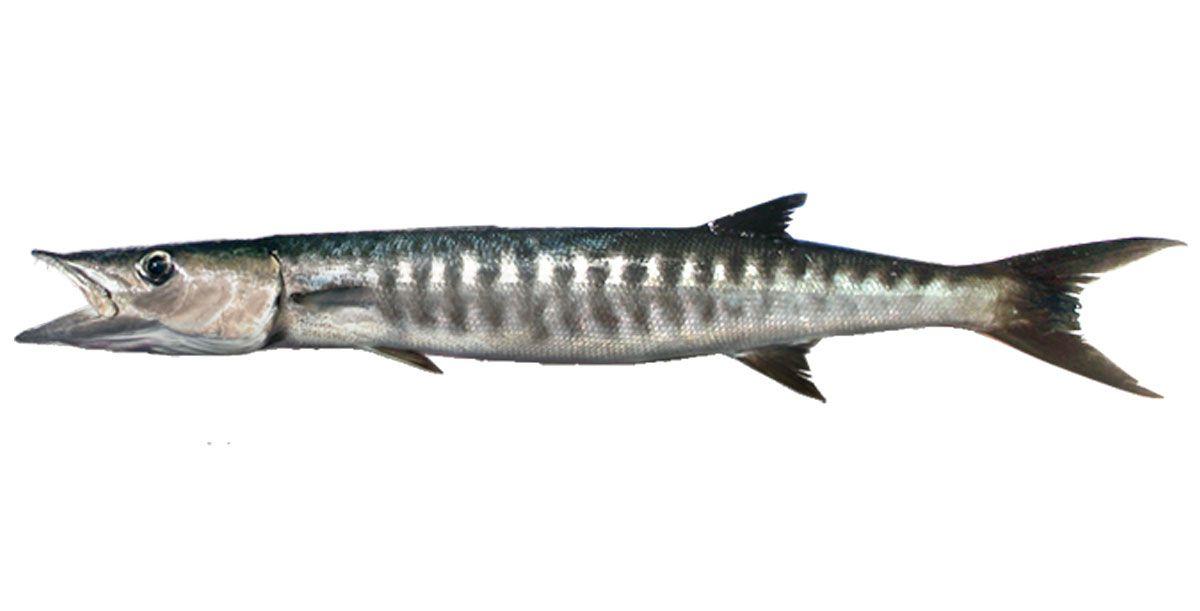
Pacific Barracuda Overview
The Pacific Barracuda (Sphyraena argentea) is a sleek and aggressive saltwater gamefish belonging to the family Sphyraenidae within the order Perciformes. This silver-sided predator is instantly recognizable by its elongated, streamlined body, pointed snout, and slightly protruding lower jaw—distinguishing features that make it one of the most sought-after game fish along the California coast. What really sets the Pacific Barracuda apart from its barracuda cousins is the complete absence of spots on its body, giving it a clean, shiny appearance that catches the light as it patrols coastal waters. Local anglers and marine enthusiasts love this species for its aggressive strikes, acrobatic fighting style, and the thrilling reality that you might see one launching itself out of the water mid-battle. Whether you're casting off the piers of Marina del Rey or trolling near Catalina Islands, the Pacific Barracuda delivers an unforgettable saltwater experience.
These fish practice a fascinating form of hunting behavior—they form coordinated schools to chase and herd baitfish toward the surface before attacking from multiple angles. Their excellent eyesight allows them to track even the slightest movements of prey, making them formidable hunters despite a reputation that's actually far more intimidating than their personality suggests. Interestingly, Pacific Barracudas are known to be rather cowardly when it comes to larger threats, showing aggression only toward smaller fish, which speaks to their role as apex predators within their specific food chain.
Pacific Barracuda Habitat and Distribution
The Pacific Barracuda is primarily found throughout the Northeast Pacific Ocean, with occasional sightings in parts of the Atlantic. Their stronghold is undoubtedly the California coast, where they migrate seasonally in predictable patterns that have made them legendary among regional anglers. These fish are mostly surface swimmers that prefer coastal areas near kelp forests and reefs, though they're capable of diving as deep as 120 feet when hunting or seeking refuge. During late spring through early summer, Pacific Barracudas migrate northward from Baja California, swimming into the southern California waters where they become abundant and aggressive.
Prime fishing locations include the Catalina Islands, Point Conception, and Marina del Rey—all hotspots where the convergence of warm currents and abundant baitfish create ideal hunting grounds. You can target these fish nearshore from a boat, or simply cast from bays and piers during peak seasons. The best times to find larger adults are spring and fall when migration and feeding intensity peak, making these seasons ideal for planning your Pacific Barracuda adventure.
Pacific Barracuda Size and Weight
Pacific Barracudas are medium to large fish that mature remarkably quickly, reaching sexual maturity in just 2 years. Typical specimens average around 35 inches in length and weigh approximately 10 pounds, but the species regularly grows much larger. Most fish you'll encounter in recreational fishing range from 40 to 60 inches and weigh between 10 to 18 pounds. The largest recorded Pacific Barracuda weighed 18 pounds and measured 4 feet, though some unconfirmed reports suggest individuals reaching 5 feet in length have been documented. Their rapid growth and maturation make them an abundant species in prime fishing years, ensuring consistent opportunities for anglers throughout the season.
Pacific Barracuda Diet and Behavior
The Pacific Barracuda is an aggressive predator with a diverse diet tailored to available prey. They actively hunt anchovies, mackerel, groupers, and other small to medium-sized fish, supplementing their diet with invertebrates like squid. Their feeding behavior is characterized by explosive strikes and high-speed pursuits that make them thrilling to target. One of the more unusual behavioral quirks is their practice of cannibalism—if given the opportunity, larger Pacific Barracudas will readily consume younger members of their own species, a trait that underscores their dominance as apex predators in coastal food webs. Despite their fearsome reputation among divers and swimmers, these fish are actually quite shy around larger threats and show aggression primarily toward prey-sized organisms. This apparent contradiction—fierce hunter, nervous coward—is part of what makes the Pacific Barracuda so fascinating to study and pursue.
Schooling behavior is another hallmark of their predatory strategy. When hunting in groups, Pacific Barracudas coordinate their attacks, herding baitfish schools toward the surface or shallow structures before launching coordinated strikes from multiple angles. This tactical approach maximizes their hunting efficiency and success rates, making them formidable pack hunters despite their cautious nature toward perceived threats.
Pacific Barracuda Spawning and Seasonal Activity
The Pacific Barracuda exhibits a well-defined seasonal migration pattern that drives both their availability and fishing quality along the California coast. These fish migrate northward from Baja California during late spring and early summer, pushing into southern California waters where temperatures and baitfish concentrations create ideal conditions for feeding and reproduction. This northward migration makes spring and early summer prime seasons for targeting larger, more aggressive specimens preparing for spawning. Fall represents another peak period when mature adults are actively feeding to build reserves before winter months, resulting in excellent angling conditions.
The rapid maturation rate—reaching sexual maturity within just 2 years—supports healthy population dynamics and ensures consistent reproduction cycles. During spawning season, Pacific Barracudas become increasingly aggressive and territorial, which actually works in the angler's favor, making them more likely to strike artificial lures and live baits with reckless abandon. Their maximum lifespan of approximately 12 years allows for multiple breeding cycles and the development of truly trophy-sized individuals that command respect and challenging fights.
Pacific Barracuda Techniques for Observation and Capture
Fly Fishing Method: Though not traditional, fly fishing for Pacific Barracuda is increasingly popular among adventurous anglers. Use a 7-foot rod with 7-8 weight line paired with 15-40 pound braided line for adequate strength and visibility. Make long, horizontal casts and allow your line to settle. Retrieve with a slow, steady rhythm that mimics wounded prey movement—this teasing approach triggers aggressive strikes from these speed-driven hunters. Hook sizes of 3/0 to 4/0 accommodate their large mouths. Recommended fly patterns include Deceivers, Poppers, and Sempers in color combinations like purple-and-white or black-and-white. Around California, early morning and late afternoon produce the most consistent action, particularly near kelp forest edges and rocky points where baitfish congregate.
Live Bait Method: This is the most effective approach for Pacific Barracuda fishing. Use live anchovies or sardines as bait, as these fish strongly prefer lively, undamaged prey over mauled or dead offerings—a preference that reflects their visual hunting style and need for the movement signals that trigger strikes. Cast near structure, reefs, and kelp beds, and work your bait with subtle movements that create the appearance of a struggling fish. Watch for the explosive topwater strikes that this species is famous for; they'll often launch partially out of the water when connecting with your bait.
Surface Iron and Lure Method: Fast-moving surface irons and poppers work exceptionally well, particularly during peak feeding times in spring and fall. Cast toward visible baitfish schools or structure and retrieve with erratic, speed-varied patterns that simulate fleeing prey. The aggressive reaction strikes from Pacific Barracuda often occur in the first few seconds of retrieval, making constant casting and repositioning essential for success. Boat and shore-based anglers alike can use this method effectively around Catalina Islands and Point Conception.
Pacific Barracuda Culinary and Utilization Notes
The Pacific Barracuda presents mixed culinary value and is generally classified as having poor odds for food quality compared to other gamefish species. While technically edible, the flesh can occasionally carry ciguatera toxin in certain geographic regions and seasons—a marine biotoxin that accumulates in larger predatory fish feeding on contaminated prey. For this reason, many conservation-minded and safety-conscious anglers practice catch-and-release with Pacific Barracuda, particularly larger specimens. If you do choose to keep one, thoroughly research current local health advisories and consume only smaller, younger fish from verified safe waters. The primary value of the Pacific Barracuda lies in its recreational and sporting qualities rather than its culinary applications—its reputation is built on the thrill of the fight and the beauty of its performance on the line, not the dinner plate. Most serious anglers today view this species as a trophy fish and ambassador for saltwater fishing conservation.
Pacific Barracuda Frequently Asked Questions
Q: What is the best bait or lure for catching Pacific Barracuda?
A: Live anchovies and sardines are the most effective baits, as Pacific Barracuda strongly prefer lively, moving prey over dead offerings. For artificial lures, surface irons, poppers, and Deceiver-style flies in purple-and-white or black-and-white combinations produce excellent results. The key is retrieving with patterns that trigger the predatory response—either erratic, speed-varying movements or steady, chase-mimicking retrieves that tease their hunting instincts.
Q: Where can I find Pacific Barracuda near California?
A: Prime locations include the Catalina Islands, Point Conception, and Marina del Rey. These fish prefer nearshore structures like kelp forests and reefs, typically within 120 feet of the surface. You can access them via charter boats for offshore opportunities or cast from piers and beaches during inshore migrations.
Q: Is Pacific Barracuda good to eat?
A: Pacific Barracuda has poor food quality and carries occasional ciguatera toxin risk in certain seasons and regions. Most anglers practice catch-and-release, valuing the species primarily for its recreational and sporting qualities rather than culinary applications. Always check local health advisories before keeping any fish.
Q: When is the best time to catch Pacific Barracuda?
A: Spring and fall represent peak seasons when larger adults migrate and feed most aggressively. Late spring through early summer (when fish migrate northward from Baja California) and fall (when they're building reserves) offer the most consistent action and the best opportunity to encounter trophy-sized specimens.
Q: How hard do Pacific Barracuda fight?
A: Very hard. Pacific Barracuda are renowned for aggressive, acrobatic fights that often see them launching completely out of the water. They're classified as having good odds for angling quality and deliver memorable saltwater experiences, making them popular targets for sport anglers seeking exciting battles rather than food.
Q: What does the Pacific Barracuda eat in the wild?
A: Pacific Barracuda are apex predators with diverse diets including anchovies, mackerel, groupers, and squid. They're also known to practice cannibalism, consuming younger barracudas when opportunities arise. Their excellent eyesight and schooling behavior allow them to coordinate attacks and herd prey schools toward the surface before striking from multiple angles.